
There’s Hope for Kitties with Broken Hearts: Felycin-CA1
What if veterinarians could treat feline heart disease before cats even showed symptoms? A newly approved medication may offer hope for cats with hypertrophic cardiomyopathy, the most common heart disease in felines.
Jeffy the Journalist
4/11/20256 min read
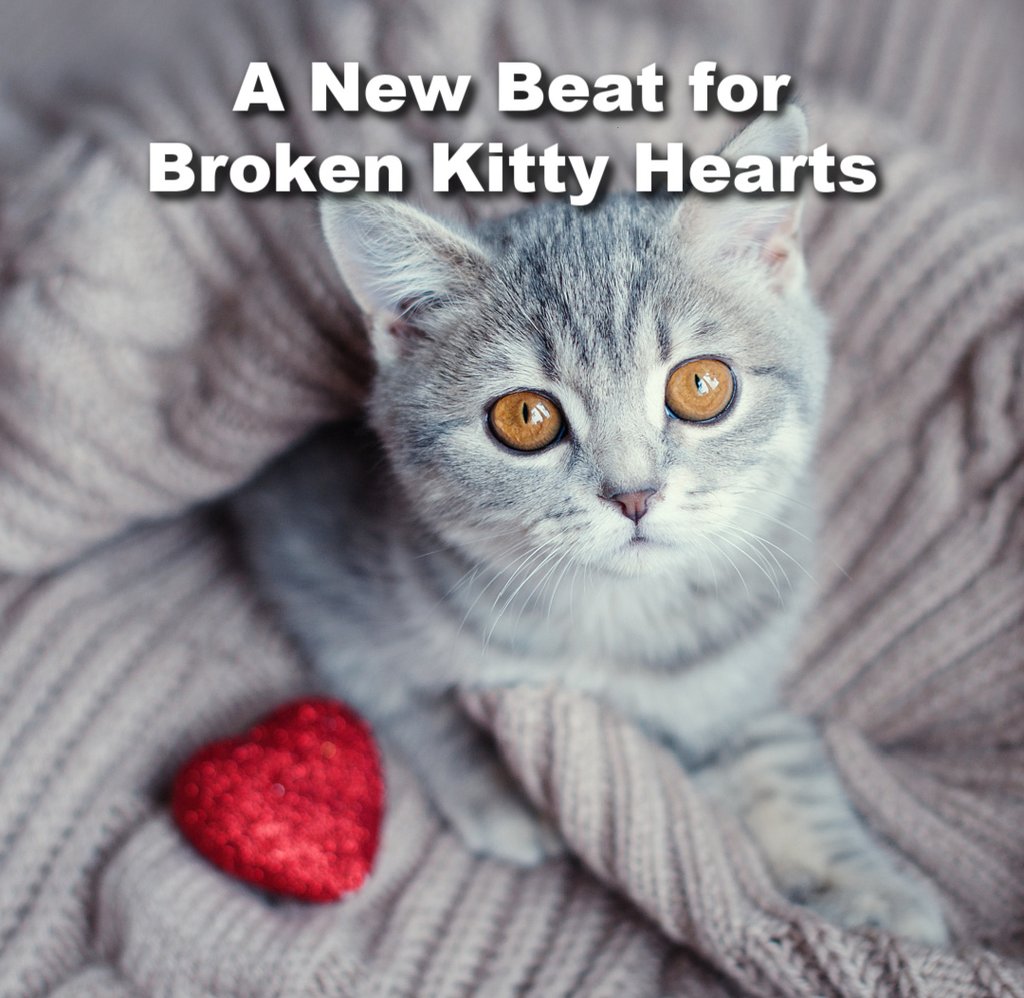
HCM has been breaking feline hearts for generations. Felycin-CA1 offers new hope by treating the disease before cats show outward signs of trouble. Photo by Shutterstock.
Broken hearts aren't just for country songs. Hypertrophic cardiomyopathy in cats (HCM) is the #1 heart disease in companion kitties, affecting 10 to 15% of the feline population. That means 6 to 8.7 million cats in the U.S. aren’t exactly feeling the love.
What Is Feline Hypertrophic Cardiomyopathy (HCM)?
HCM thickens the ventricle, the muscular wall of the heart’s main pumping chamber — usually the left side — which can lead to blood clots, heart failure or that irreversible cosmic nap. Basically, the heart muscle bulks up until the chamber has less and less room to do its actual job.
Breeds like Maine Coons, Ragdolls and Persians are most likely to inherit this ticking time bomb. HCM can show up at almost any age — it’s been found in cats as young as a few months old up to our super seniors of 16 and older, but it’s most commonly diagnosed in middle-aged cats around 5 to 7 years. Male cats tend to get hit harder and earlier. For once, the guys got the dirty end of the litter scoop.
Screening for HCM
HCM is sneaky as a covert operative. It can spend years quietly sabotaging the purr pump while Fluffy acts perfectly normal.
So how do you catch this sneaky condition early? The gold standard is an echocardiogram (commonly called an echo) — a painless ultrasound of the heart that measures the wall thickness and spots trouble before symptoms appear. It uses the same Doppler technology the National Weather Service uses to detect wind rotation before a tornado touches down. Think of it like a heart camera: regular ultrasound shows the structure and wall thickness, while the Doppler part (like weather radar for blood) measures blood flow speed and direction. It’s quick (usually 20 to 30 minutes) and doesn’t require any holes to be bored in Fluffy’s skin.
Depending on where you live and the type of clinic, an echo runs between $300 and $800. Yeah, that's a lot of tuna. But finding HCM before symptoms appear may prevent the kids' college fund from being redirected to the cardiology department. Early treatment is easier on both the cat and the credit card, typically ranging from $50 to $150 per month, depending on the diameter of Fluffy's waistline. Treating advanced feline hypertrophic cardiomyopathy (HCM), on the other paw, can cost $300 monthly for daily supportive medications.
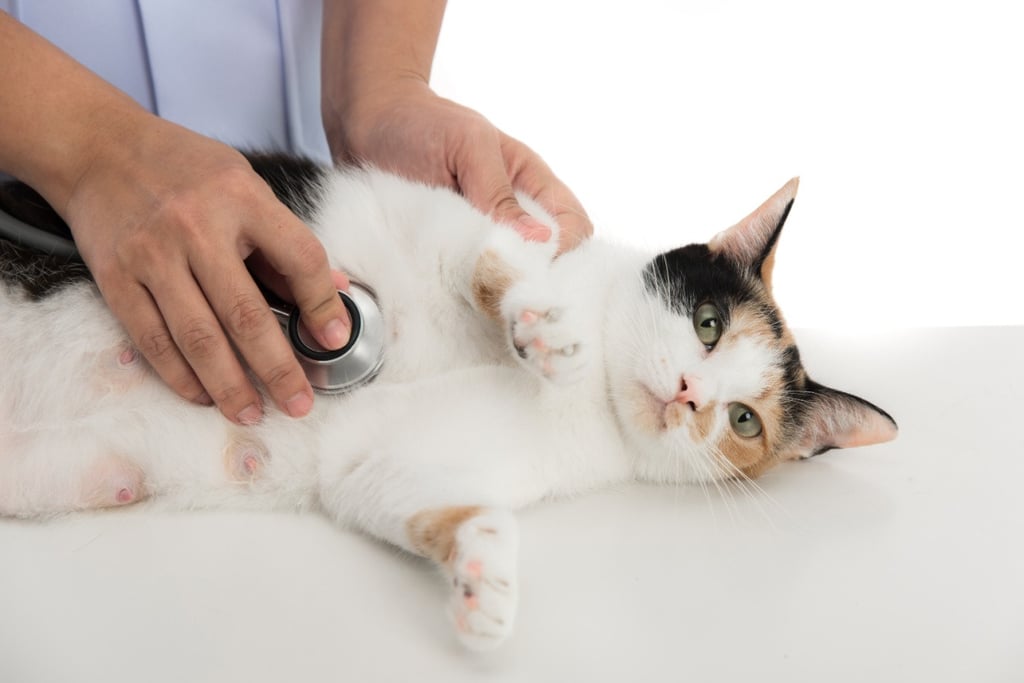
Let’s be honest — getting most cats to the vet for a regular annual exam is already a victory. Most owners can't afford to spring for an echo out of caution alone. The smart, practical approach starts simple: During your cat’s yearly wellness exam, ask your vet to listen carefully for heart murmurs. A quick and relatively inexpensive blood test called NT-proBNP can serve as an excellent first-step screener. Before spending hundreds of dollars on an echo, your vet can see whether Fluffy's heart is waving any red flags. At-risk breeds should start screening around age 1 to 2 and continue regularly (often yearly) after that.
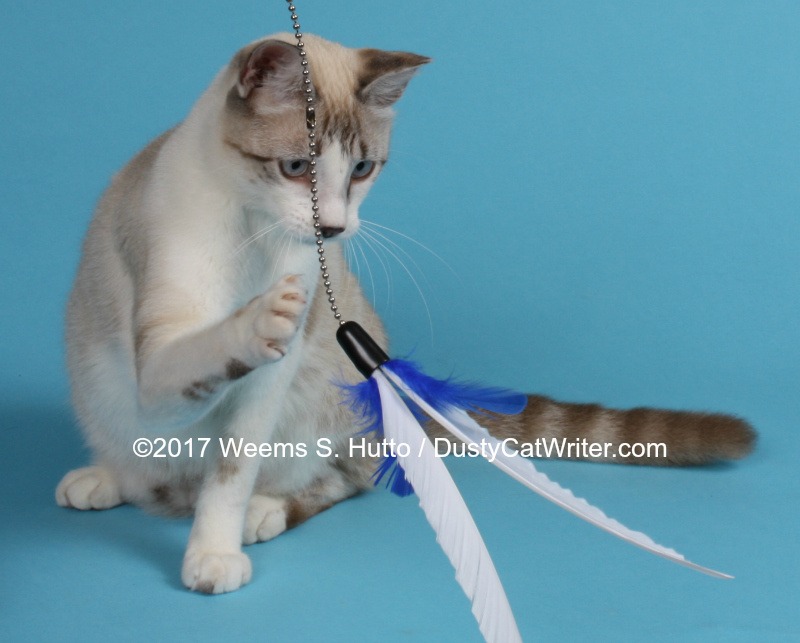
A young foster failure named Spot taught my human assistant a hard lesson about HCM. When he was just 11 months, he suddenly started peeing all over the house. Naturally, the minion assumed he had a plumbing problem. A trip to the vet revealed Spot had a severe heart murmur, and an echocardiogram confirmed advanced HCM.
The human loaded up Spot and his 14-year-old Turkish Van companion, Herman, and hauled them both to a specialist in Houston. The doc confirmed both boys had HCM. When my assistant asked how much time Spot had, the vet said, “The Lord only knows.” But she added that Herman would outlive Spot. She was right. Despite medications, Spot died within weeks. Herman lived another year. If Spot taught us anything, it’s that age isn’t always a reliable predictor. Sometimes the young ones break your heart first.
Traditional HCM Treatments (Before Felycin-CA1)
Until now, if Fluffy had HCM, he was, well... screwed. Beta-blockers, ACE inhibitors, and diuretics were the go-to meds, but they only managed the symptoms and complications — not the disease itself. That’s like buying a cover for the fish tank after Fluffy’s already enjoyed his sushi dinner.
Enter Felycin-CA1
This newly conditionally approved drug is the first treatment made just for cats with HCM to be started while the disease is still subclinical — meaning before kitties show signs of illness.
A heart murmur picked up during a routine exam does not mean it’s too late. Many cats with subclinical HCM have murmurs but feel completely normal and are still good candidates for Felycin-CA1. The key is confirming HCM with an echocardiogram and making sure there are no outward symptoms of heart failure. That means vets and owners can start fighting the condition before the heart turns into a brick.
How Felycin-CA1 Works
Felycin-CA1 contains a special delayed-release form of sirolimus (also known as rapamycin). This ingredient gently inhibits the mTORC1 pathway — a key cellular switch that controls heart muscle cell growth. In cats with subclinical HCM, this pathway can become overactive and cause the left ventricle wall to thicken abnormally. By calming those signals, sirolimus helps promote the cell’s natural cleanup process (autophagy), reduces inflammation and oxidative stress inside the heart cells, and may slow or even partially reverse that harmful thickening. The once-weekly dosing is designed to target the bad overgrowth while still allowing normal mTOR activity in between doses, so it doesn’t interfere with healthy muscle function.
Clinical studies have shown that we kitties tolerate it well, and it may delay — or even prevent — the thickening of the left ventricle. The trick? You’ve got to catch the disease before symptoms appear. It’s a great case for frequent preventive checkups.
Because HCM is sneaky and hard to detect early, the FDA has granted conditional approval while more long-term data is collected.
The active ingredient, sirolimus, is a big deal in human medicine (used in post-transplant patients), but this version is dialed down for delicate feline systems. It comes in a tuna-free tablet in doses of 0.4 mg, 1.2 mg, and 2.4 mg, taken once a week. It’s available by prescription now — and it just might save your cat’s life.
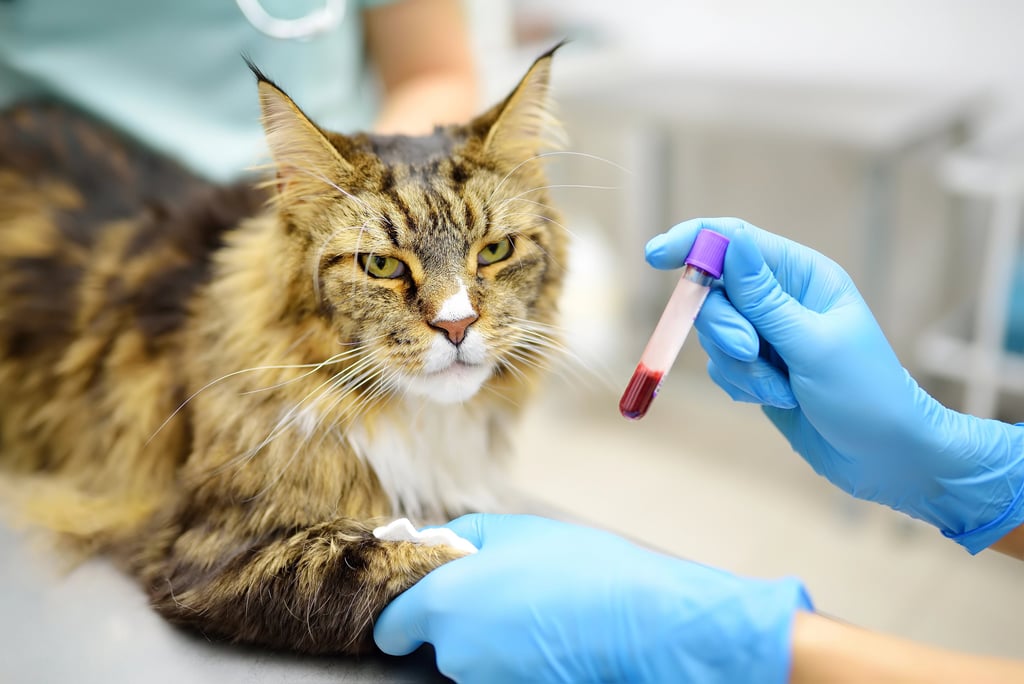
Maine Coons are among the breeds most likely to inherit HCM. A simple NT-proBNP blood test can help identify cats that may need further cardiac screening, often years before heart disease becomes obvious. Photo by depositphoto.
Spot looked like a healthy young cat. His heart had other plans. Photo by Weems S. Hutto.
Felycin-CA1 FAQs
Is Felycin-CA1 a cure for HCM in cats? No — it’s not a cure, but it’s the first drug that may actually slow or prevent the dangerous thickening of the heart wall when started early in subclinical cases.
How often is Felycin-CA1 given? Just once a week! It comes as a small tuna-free tablet (0.4 mg, 1.2 mg or 2.4 mg) given with a meal.
Which breeds are at highest risk for feline HCM? Maine Coons, Ragdolls, Persians, Sphynx, British Shorthairs, Bengals, Norwegian Forest Cats and Burmese have a higher chance of inheriting this condition. Regular screening is especially important for these breeds.
Who should talk to their vet about Felycin-CA1? Any cat diagnosed with subclinical HCM or in an at-risk breed. It’s not for cats with liver disease or diabetes.
Sources
Kaplan, J. L., Rivas, V. N., Walker, A. L., et al. (2023). Delayed-release rapamycin halts progression of left ventricular hypertrophy in subclinical feline hypertrophic cardiomyopathy: Results of the RAPACAT trial. Journal of the American Veterinary Medical Association, 261(11), 1628-1637. https://doi.org/10.2460/javma.23.04.0187
U.S. Food and Drug Administration. (2025, March 14). FDA conditionally approves drug for management of ventricular hypertrophy in cats. https://www.fda.gov/animal-veterinary/cvm-updates/fda-conditionally-approves-drug-management-ventricular-hypertrophy-cats
Many cats with HCM look and act perfectly normal. That's why annual exams matter. A heart murmur detected during a routine checkup may be the first warning that the purr pump needs a closer look. Photo by Depositphoto.