
Mute the Volume: How Silence Helps Scared Shelter Cats Get Adopted
Recent research reveals that silent petting works better than baby talk for scared shelter cats. Just 6 minutes a day of quiet, gentle stroking can help fearful cats relax, come to the front of the cage, and show their true personalities — dramatically increasing their chances of adoption.
Dusty Rainbolt
4/28/20255 min read
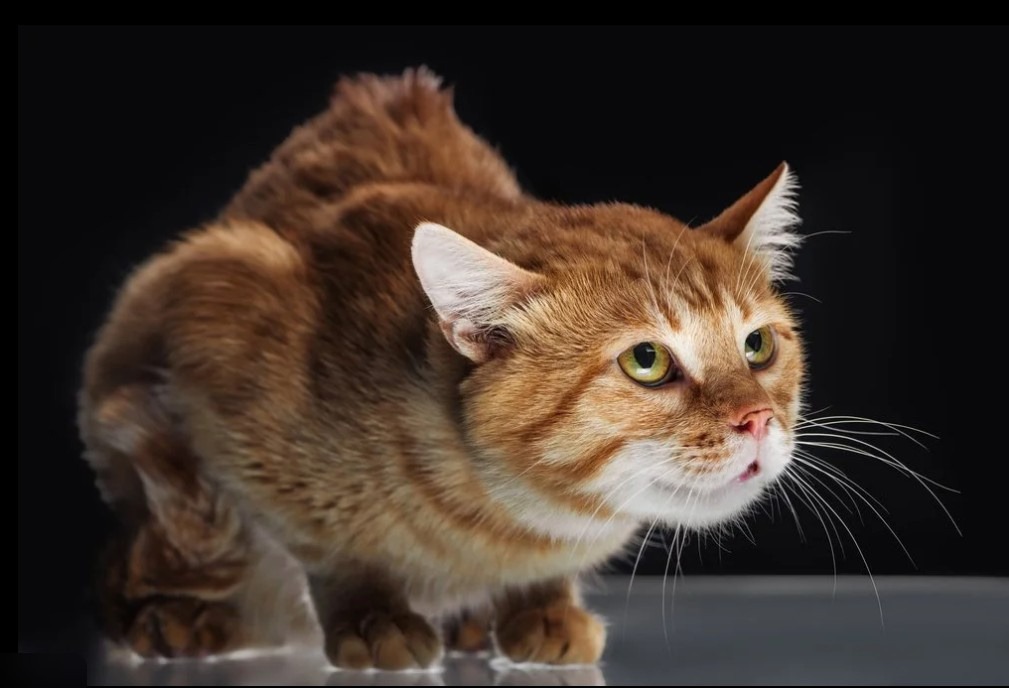
A stressed shelter cat in a classic defensive posture — hunched back, wide eyes, and ready to retreat. Many fearful cats arrive at shelters looking exactly like this. Gentle silent petting can help them relax and come forward. Photo: DepositPhoto
(MEDICAL/RESCUE) Queensland, Australia — All rescuers have been there.
A new cat arrives at the shelter, scared, cowering in the back of the cage and hissing. He isn’t mean or vicious — he’s petrified prey trapped in a cage surrounded by what he perceives as predators. Loud noises and overwhelming scents assault him. In his mind, it’s dinnertime, and he’s on the menu. So the terrified tabby huddles in the back and hisses at anyone who approaches.
Fluffy believes his growling and hissing are keeping him safe. In reality, he’s doing the opposite. A quick evaluation labels him as unsocialized and unadoptable. In a shelter full of confident outgoing cats and irresistible kittens, that fearful fluffball doesn’t stand a chance. You know what that means.
A similar problem happens in clinics where even normally friendly kitties become defensive.
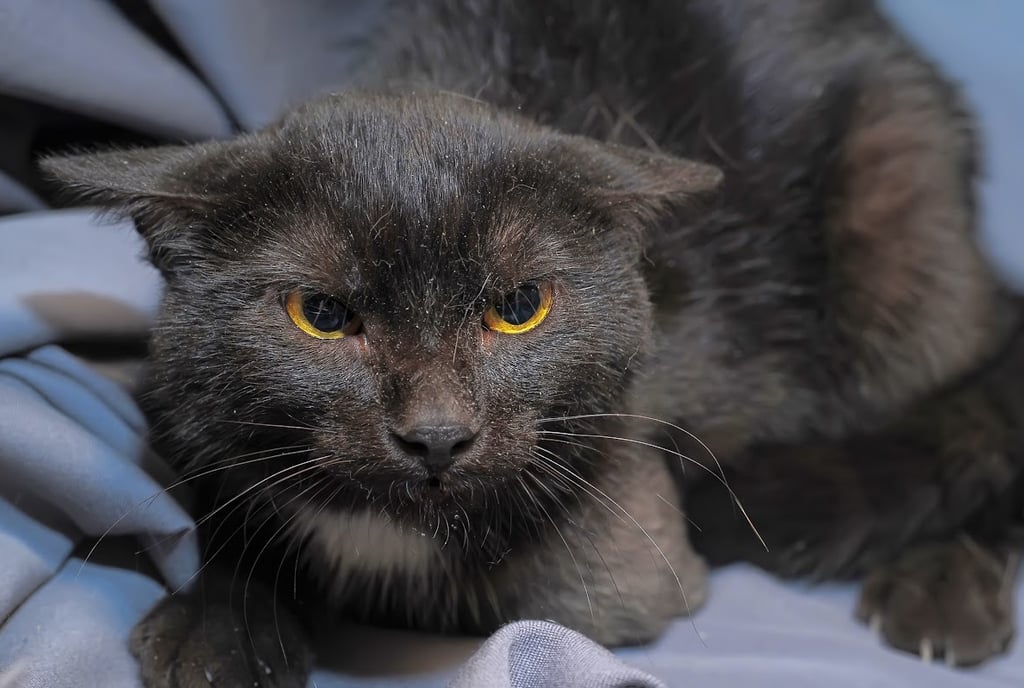
A defensive posture is often a frightened cat's best attempt to say, "Please don't hurt me." Understanding that difference can save lives. Photo by Shutterstock.
Shelter cats are suddenly thrust into a world that’s loud and overwhelming
A shelter cat is bombarded by:
Strangers stopping, leaning forward and leering into the cage like predators
Scents of strange people, dogs, sick and injured animals and strong cleaning chemicals
Footsteps
Slamming doors
Barking dogs
Loud voices
Echoing rooms
Even when nothing bad happens, the constant sensory overload pushes cats into self-protection mode, which hurts their adoption chances.
Making the most out of a bad situation
So shelter workers, volunteers and veterinary nurses do what they’ve always done — what works at home with our own frightened cats. We pet them and speak comforting words hoping they’ll relax. It’s well-intentioned and it feels right. But does it really work?
Not as well as you’d think according to a 2020 study published in the Journal of Veterinary Behavior. The most effective approach wasn’t frequent check-ins or verbal reassurance but one quiet six-minute session of gentle, hushed stroking per day. Silence, not pep talks, turned out to be the winning strategy.
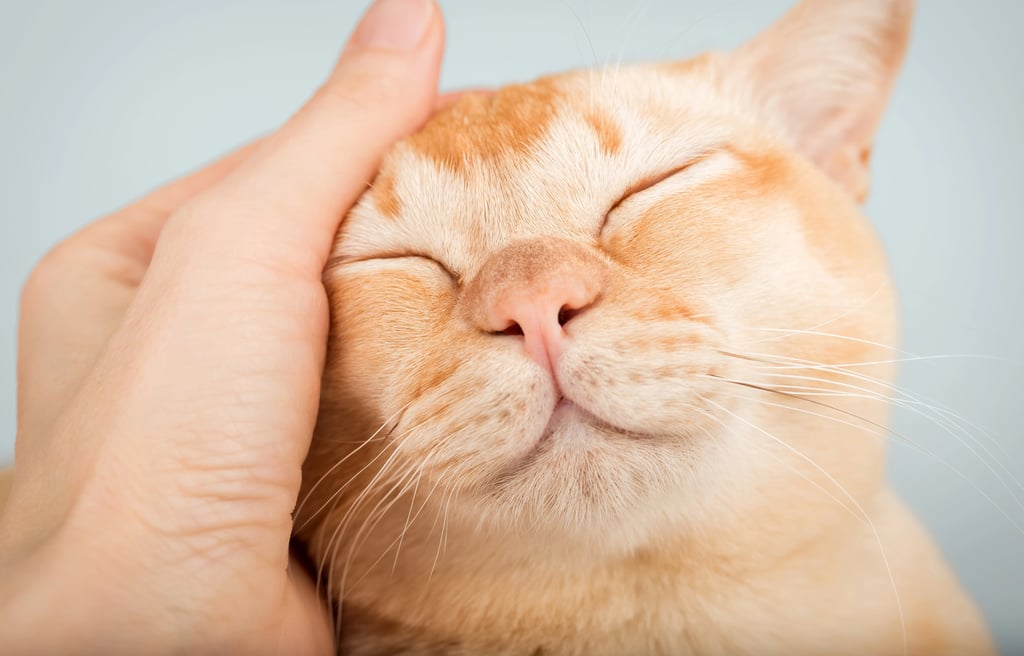
A relaxed and trusting cat enjoying gentle, silent petting. After consistent quiet gentling sessions, many scared shelter cats begin to show this calm, contented expression. Photo by DepositPhoto.
What is gentling?
Gentling isn’t taming. It’s calm, predictable human touch designed to lower fear and stress without forcing interaction. It won’t turn a feral cat into a lap cat, but it can help a frightened, socialized-but-shut-down cat relax enough to show his real personality.
One steady 6- to 9-minute gentling session per day, repeated over several days, worked best. Cats appeared more content and less stressed when the handling was calm, consistent and silent. After a few days of gentling, these cats spent more time at the front of the cage and on the floor. They purred more, ate and drank more readily and showed fewer stress-related behaviors — clear signs they felt safer and more settled.
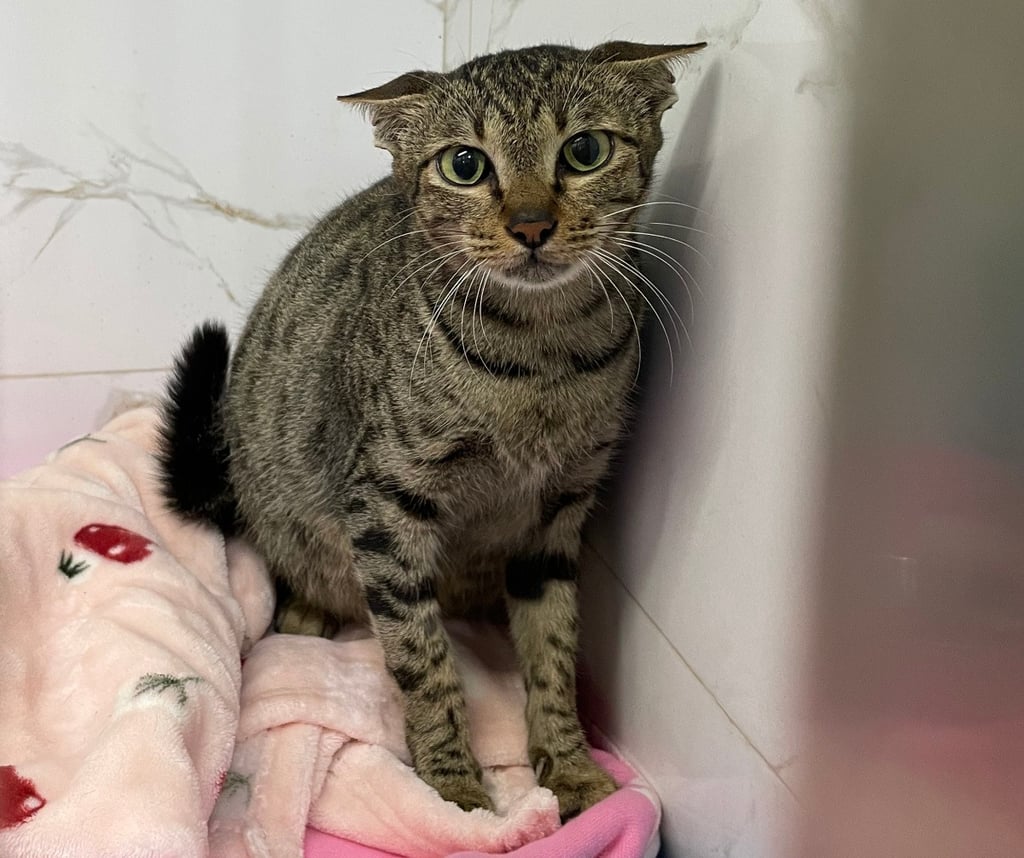
Even socialized cats may react with aggression when suddenly thrust into an animal shelter cage. With all the hissing, spitting and growling, it's hard to tell the difference between a scared friendly cat and a feral one. Photo by Deposit Photos.
Experiment 1: One long session beats several short ones
Cats were gentled for five days in one of two ways: one continuous 6-minute session per day or three shorter 2-minute sessions per day. Each method was tested with and without human vocalizations.
The clear winner was one silent, uninterrupted 6-minute session daily. Cats spent significantly more time at the front of the cage afterward. Adding talking during gentling caused them to retreat more often to the litter area. The interaction stopped being calming and became intrusive.
Experiment 2: How much time is enough?
The second experiment tested gentling durations of 0, 3, 6 and 9 minutes per day. As time increased, cats spent more time on the cage floor, purring more and eating and drinking more. The sweet spot was 6 to 9 minutes per day. Three minutes wasn’t enough to make a real difference.
It’s worth noting that extended petting sessions aren’t every cat’s cup of catnip tea. Different cats may need different strategies—or just more time and patience to come around. It’s estimated that 20% of kitties aren’t fans of being petted, even if they’ve been socialized to humans.
And for some kitties with arthritis, unknown injuries, hyperesthesia, past abuse, or a timid nature, even gentle touching might cause them to go into full retreat mode. (McCune, 1995.) These cats might need a bit of trial and error to discover what calms them.
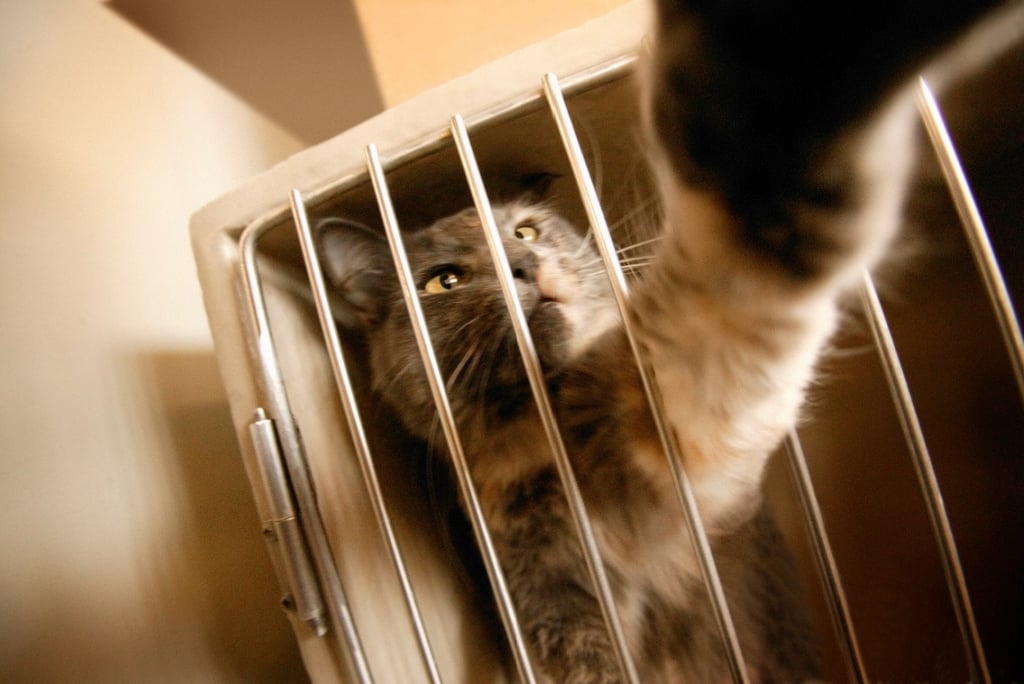
Shelter cat reaching its paw through the bars of a carrier with wide curious eyes, trying to make contact. Photo by Deposit Photo
Why it matters
Shy, shut-down, or stressed-out cats often get overlooked in shelters—not because they’re unlovable, but because they’re invisible. This gentling technique helps terrified cats show who they really are, not just who they are under stress.
Even better? It doesn’t require fancy equipment, specialized training, or extra money. Just calm hands, quiet time, and the ability to not fill the silence.
The takeaway
Gentling isn’t about convincing a cat to like people. It’s about creating a pocket of quiet in a loud overwhelming place. Six to nine minutes of calm, silent contact over four days gives cats the chance to relax and show their true personalities. That’s exactly what potential adopters want to see.
Lower the volume and the cat does the rest.
Sources:
Liu S, Paterson M, Camarri S, Murray L, Phillips CJC. The effects of the frequency and method of gentling on the behavior of cats in shelters. J Vet Behav. 2020;39:47-56. https://www.sciencedirect.com/science/article/abs/pii/S1558787820301039
Sandra McCune. The impact of paternity and early socialisation on the development of cats' behaviour to people and novel objects. Applied Animal Behaviour Science, Volume 45, Issues 1–2, 1995, Pages 109-124. ISSN 0168-1591. https://doi.org/10.1016/0168-1591(95)00603-P. https://www.sciencedirect.com/science/article/pii/016815919500603P